Making Your Industrial Space a Productivity Hotspot
It's a really big deal when it comes to productivity, safety, and day-to-day running costs of industrial and commercial places. High Volume, Low Speed (HVLS) fans, along with advanced evaporative cooling systems, have become the go-to solution for businesses looking to take their workplace to the next level. This article is going to dive into the science behind these powerful cooling technologies, so you can see how they work, what the benefits are, and why you should be looking at them if you want to boost productivity and keep your staff happy.
The Science Behind HVLS Fans
Rather than using lots of little fans at speed, HVLS fans create massive air movements using a lot of big fans moving very slowly. It's way more efficient and effective for large spaces compared to traditional high-speed fans.
How HVLS Fans Work:
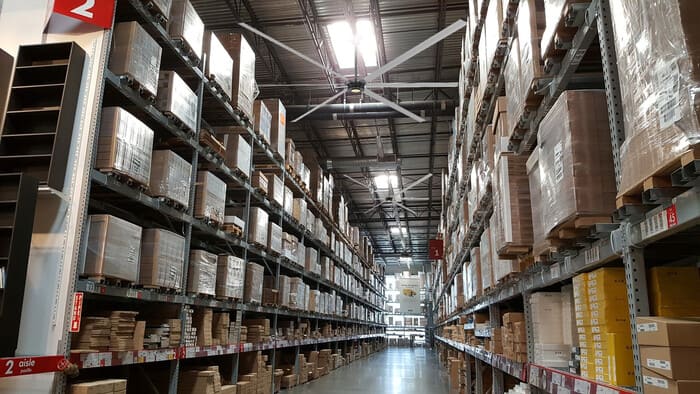
HVLS fans mechanism is the creation of a massive column of air called a floor jet. Unlike smaller fans that can create a bit of a breeze but aren’t good for mixing the air around, HVLS fans use their long aerodynamically designed blades to push loads of air towards the floor. When this air hits the ground, it spreads out in all directions. As a result, the air flows up, over the top and back down the other side before returning to the fan.
All of those processes achieve some really important things:
- Even Air Distribution: Stagnant air pockets that can make a space uneven and uncomfortable disappear, and that means your employees are more comfortable.
- Enhanced Evaporative Cooling: All that moving air helps to speed up evaporation from skin surfaces, and that can make it feel 4-7 degrees cooler without lowering the thermostat.
- Less Heating and Cooling Systems: Because of all that air movement, HVLS fans can reduce the load on traditional heating and cooling systems. That means big energy savings too.
Energy Efficiency and Cost Savings by Installing HVLS Fans
The energy efficiency of HVLS fans is pretty mind-blowing. A standard 48-inch ceiling fan in a residential setting will spin at anywhere from 300-350 RPM, while an HVLS fan manages a mere 70-100 RPM but is still able to move up to 500,000 cubic feet per minute of air through a space. The power required to move air around increases really quickly with speed, so doubling the speed ends up consuming eight times the power. By opting for volume over speed, HVLS fans can get much more airflow with less of the energy being used. Plus, a single HVLS fan can often replace 6-10 traditionally sized fans, giving you a fair return on investment.
Evaporative Cooling: A Simple yet Effective Way to Keep it Cool
Evaporative cooling is an old trick that still works amazingly well, especially in dry and hot climates. If you're looking for an energy-friendly alternative or supplement to traditional air conditioning, this is well worth considering, especially if you're in a tough industrial environment.
How Evaporative Cooling Works
So, how does it work? Well, evaporative coolers draw in the hot, dry air from outside and then pass it over some water-saturated pads. As the water evaporates, it sucks the heat out of the air, which can drop the air temperature by as much as 10-12°C (or 18-22°F). The cooled and humidified air is then circulated around the whole space. The key difference with evaporative cooling is that it introduces fresh, cooled air all the time, rather than just recirculating the stale air that air conditioning tends to do. Plus it reduces hot air and pollutants in the process.
The Impact on Workers and Equipment
High temperatures in manufacturing facilities and warehouses can lead to heat stress among workers. Studies show that keeping working conditions cool and comfy can really boost worker productivity and reduce safety risks.
Beyond human comfort, evaporative cooling also plays a pretty big role in keeping sensitive gear safe. A lot of industrial work generates a lot of heat and if we don't get that heat under control, equipment is going to start to fail or get a shorter life, and you need to get ready with costly downtime. Evaporative cooling helps keep the temperature stable, protecting valuable equipment and making sure that production just keeps on going.
Keeping an Eye on Humidity Levels
Effective airflow and climate control aren't just about temperature, there’s a lot more, including humidity. High humidity in industrial settings can cause a load of problems from equipment damage to health concerns.
Too much moisture around can lead to all sorts of problems: corrosion of machinery, damage to materials, and the spread of mold and mildew. HVLS fans help by constantly moving the air around, stopping it from getting all soggy and stagnant and cutting humidity levels down. When we combine that with a dehumidifier, we get a pretty comprehensive solution that lets us really manage the humidity levels.Stagnant, humid air is also the perfect breeding ground for viruses and bacteria to multiply. Keeping the air moving and controlling the humidity with HVLS fans and cooling systems really helps improve air quality. That means a healthier working environment and a much lower safety risk.
HVLS Fans and Evaporative Cooling by Cortec Fan
We, at Cortec Fan, put all our products through a pretty tough quality control to make sure they meet the highest standards, backed by really strong Research and Development. We have CE, ISO, and CB certifications and we offer custom solutions to suit all sorts of needs. You will notice the difference in productivity, safety and efficiency when you work with us.
Conclusion
Deciding to invest in advanced cooling technologies like HVLS fans and evaporative cooling is a smart move. We can save you a lot of trouble by understanding and applying the science of cooling, so you can create an environment that is safer for the people working there, and drives up productivity, cuts energy costs and keeps valuable assets safe.